Xona Space Systems on Thursday unveiled Pulsar Verified, a new ecosystem partnership program designed to certify that commercial hardware, chipsets and test equipment can successfully integrate with its low-Earth orbit satellite navigation architecture. The validation initiative is aimed at accelerating the global transition toward next-generation PNT infrastructure.
“None of this works without ecosystem adoption. Even if you have the strongest, most protected signal, what’s the point if it isn’t compatible with the receivers and chipsets already in use?” said Brian Manning, CEO and Co-Founder of Xona. “Pulsar Verified closes that gap between proving a signal in space and ensuring it’s usable, giving our partners’ customers confidence that devices they buy today are already being built for the PNT services of tomorrow.”

By providing device manufacturers with an official framework to test their hardware against Xona’s signals, the company hopes to secure a resilient, high-performance alternative to legacy GNSS.
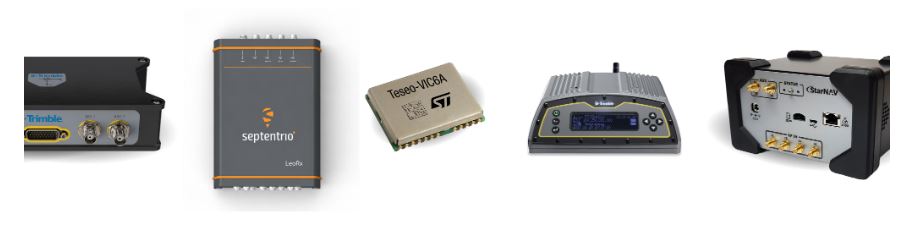
The verification program debuts alongside an inaugural cohort of major global navigation and positioning tech brands, including Trimble TRMB 1.52%↑, STMicroelectronics STM 1.76%↑, Safran, StarNav, Keysight and Hexagon’s Septentrio. According to Xona, Trimble is working to bring Pulsar signal capabilities to devices launched as far back as 2018, while Septentrio is actively integrating the technology into its entire upcoming lineup of high-performance navigation hardware.
Xona introduced the program amid a sharp global rise in satellite interference, emphasizing that GPS jamming and spoofing incidents are increasingly spilling out of active conflict zones into everyday civilian aviation, maritime shipping, financial systems and commercial farming operations. Company officials stated that the commercial availability of alternative space-based signals has become a matter of economic and operational urgency rather than a luxury for high-end tech applications.