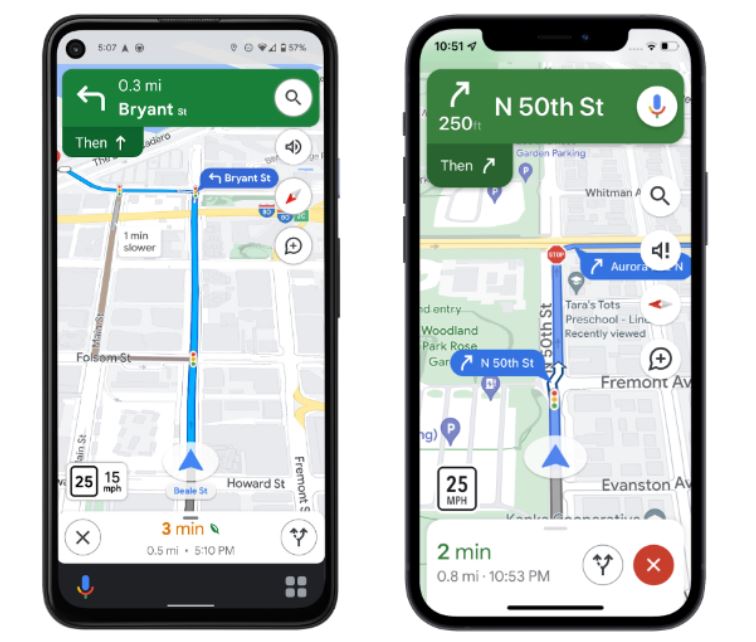
A widespread Google Maps outage on September 11, 2025, left millions of users unable to access navigation and location services on mobile devices for several hours. The disruption began around 1 p.m. Pacific Time and primarily affected Android and iOS users, with many reporting error messages such as “cannot reach server” and incomplete map displays. The web version of Google Maps remained operational during the incident, sources say.
The three-hour outage prompted users to seek alternative navigation solutions, raising concerns about the risks associated with relying on a single mapping platform. Experts warn that overdependence on one service can lead to significant disruptions when technical issues arise. While Google GOOG 1.70%↑ has not disclosed the cause of the outage, the incident underscores the importance of diversifying navigation tools and being prepared for potential service interruptions.

In response to the outage, some users turned to other mapping applications, such as Apple Maps and Waze, to fulfill their navigation needs. This shift highlights the competitive landscape of digital mapping services and the necessity for users to be adaptable in using multiple platforms to ensure continuous access to navigation and location-based services.
The blackout, which disrupted map loading at midday, exposed that alternatives are rarely top of mind until the primary service fails. As more people migrate to EVs, ride-sharing, and real-time route planning, the outage raises concerns about what happens when the backbone services go down and how resilient navigation ecosystems need to be. The event serves as a wake-up call for developers and automakers to build in fallbacks, such as use of offline maps, other providers (like HERE, TomTom, OpenStreetMap), or multi-provider support.