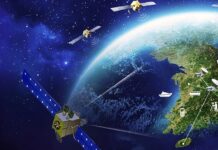
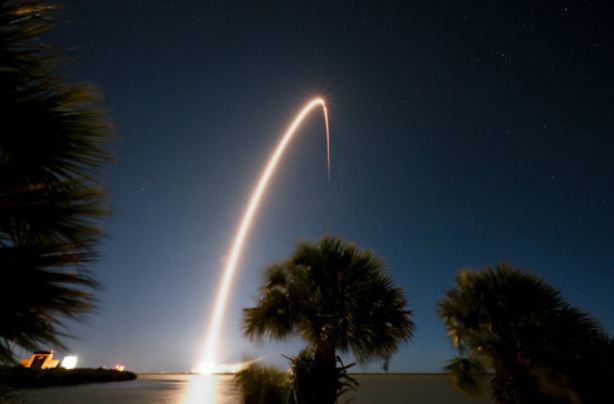
The U.S. Space Force sent its ninth third-generation GPS satellite into medium-Earth orbit on Jan. 27. The satellite rode to space on a SpaceX Falcon 9 rocket after the government moved the spacecraft from a United Launch Alliance Vulcan rocket to speed up deployment.
The spacecraft, known as GPS III SV09, delivers the M-code signal that ensures uninterrupted navigation and timing in contested or electronically denied environments. Lockheed Martin LMT 0.85%↑ confirmed the satellite achieved signal acquisition shortly after launch.

Prior to this launch, the GPS constellation featured 31 operational satellites. This satellite will undergo a series of on-orbit tests before being accepted into the GPS operational network. Once this process is complete, SV09 will be handed over to the Space Operations Command for full use.
QZSS Faces Setback
Japan’s Quasi-Zenith Satellite System (QZSS) faced a setback in December 2025 as an H3 rocket carrying a Michibiki 5 navigation satellite failed because of problems with the second stage, according to published reports. The issue led to the satellite separating from the rocket too early.
QZSS currently operates five satellites plus one, with several launches expected in the next year. However, officials have not confirmed when the next launch will occur, pending the outcome of the December launch failure.